2. Joys of Adaptability
On Tuesday, we met with Senior Project Manager James Thoem of the Gehl urban design and strategy firm. We ascended a switchback staircase until arriving in the sleek, very Danish office that the company’s Copenhagen team works from. James presented an overview of the firm’s mission and work, which first and foremost focuses on how cities can be designed for people. It sounds like an obvious goal; however, living in cities and spending time studying them has really shown me that this is often not so much the case.
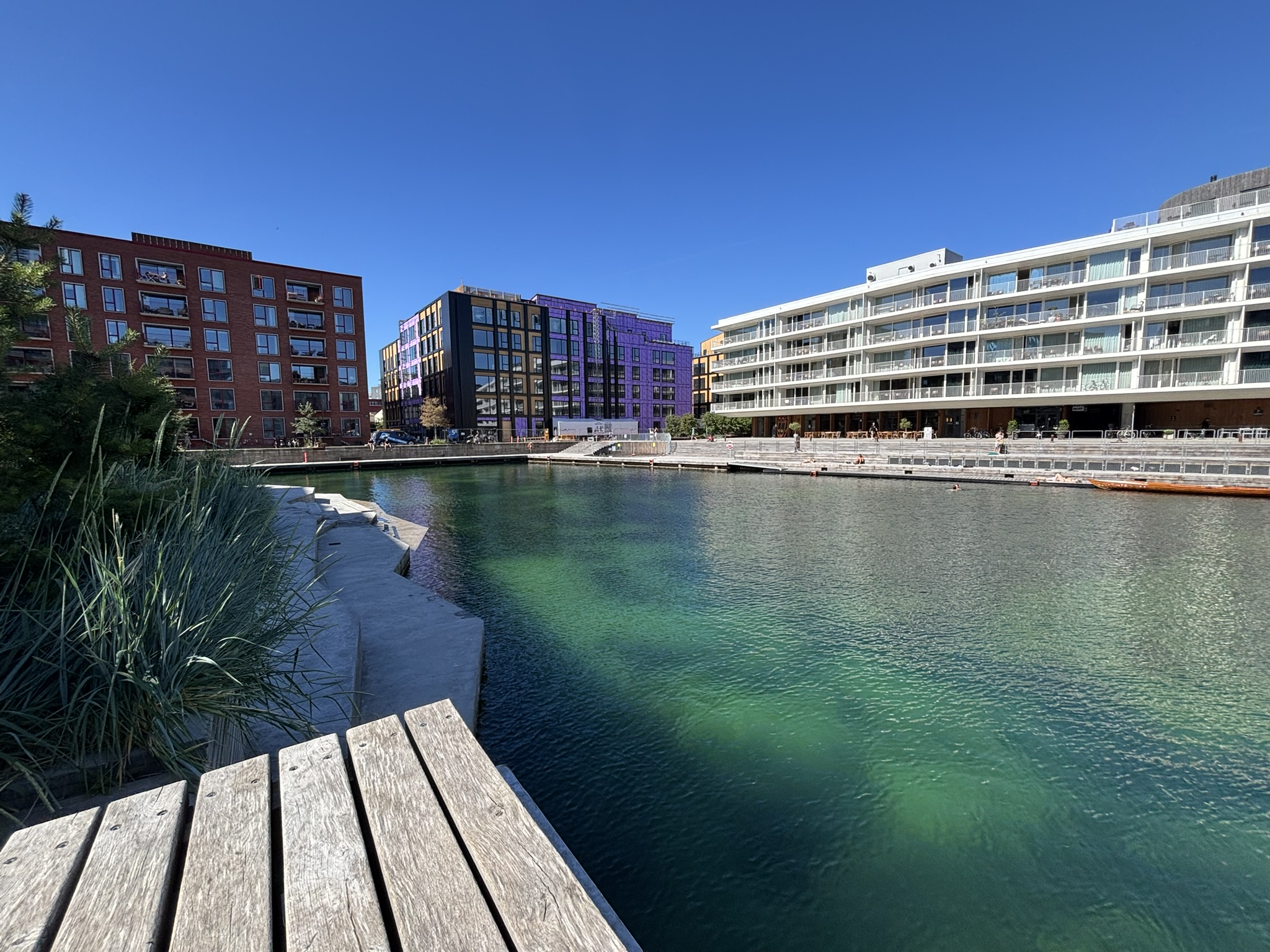
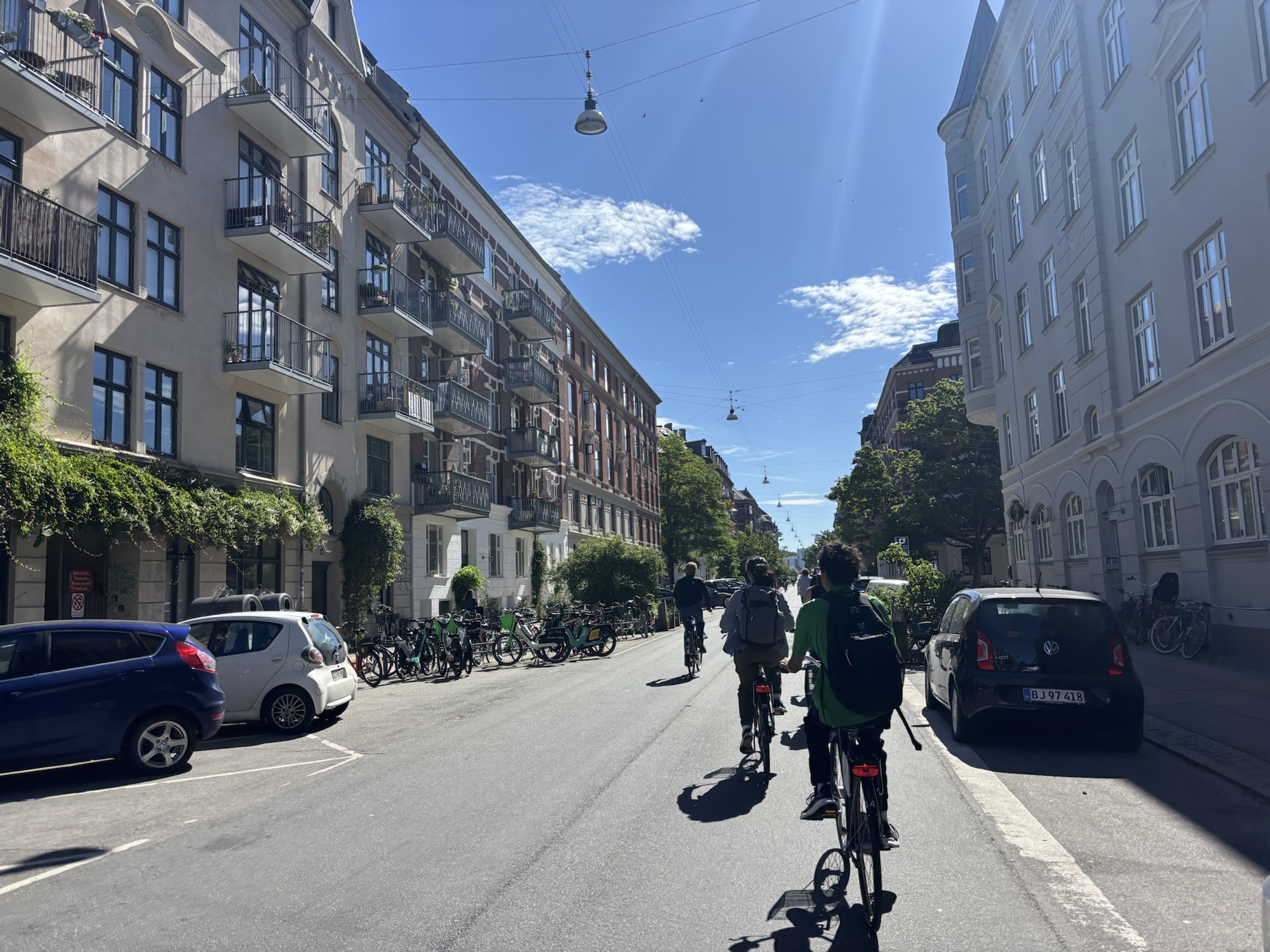
While biking along the waterfront, James explained that an older factory warehouse exploded several decades ago, prompting sharp changes in Copenhagen’s land use strategy. The building was on the waterfront and close to the city center, highlighting the threat that a repeat event would cause to the city’s residents. This event was one catalyst in moving manufacturing and production further out of the city, as leaders recognized a need to move forward and modernize with people in mind. This stood out to me specifically on the tour because there is a clear distinction in this choice to prioritize people’s wellbeing over the economy— something seldom seen in the US. Copenhagen wasn’t choosing to give up on production; the city instead recognized a need for change. This adaptability is a key theme I have noticed this week while learning about this city and Denmark as a whole.
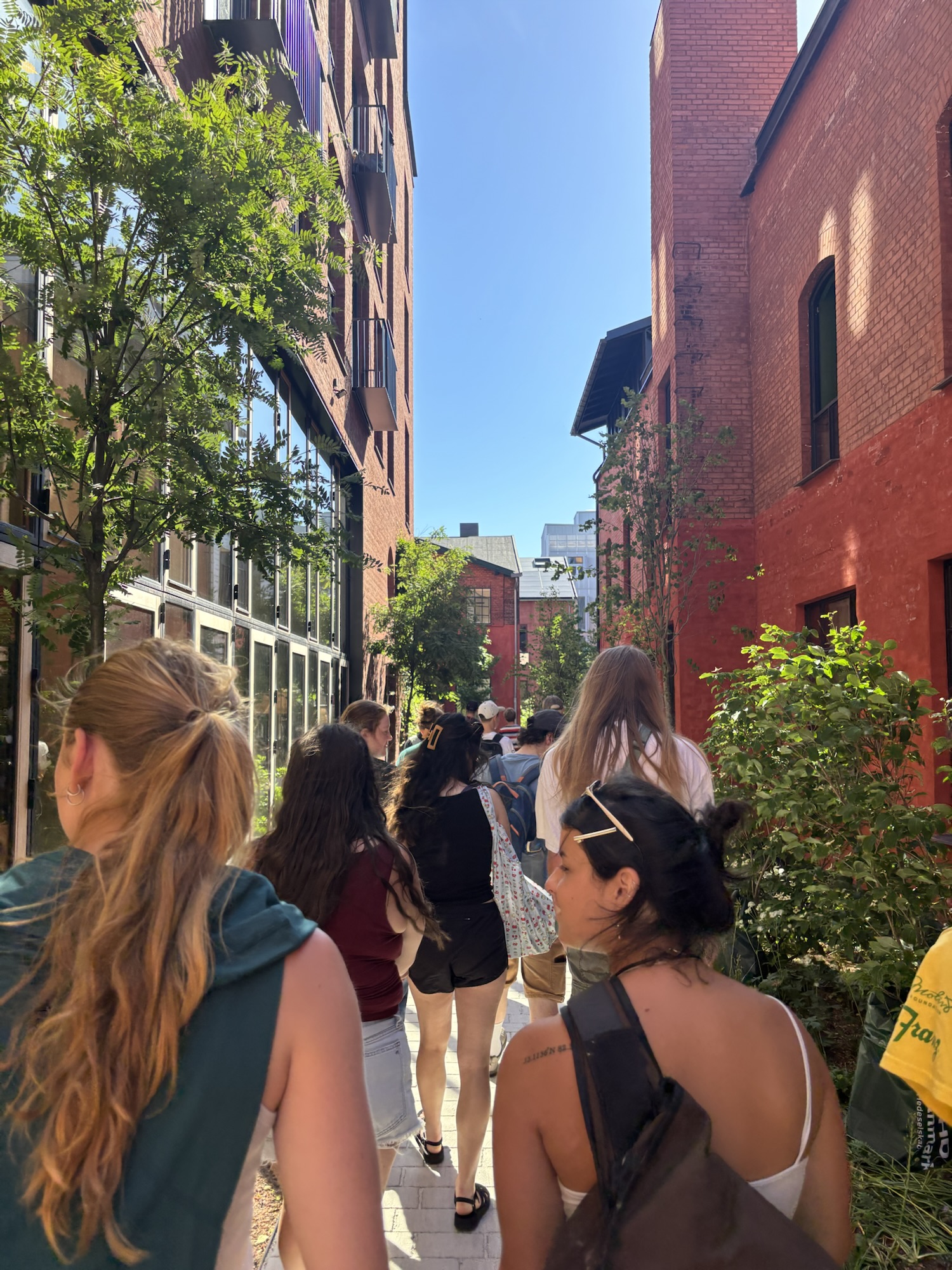
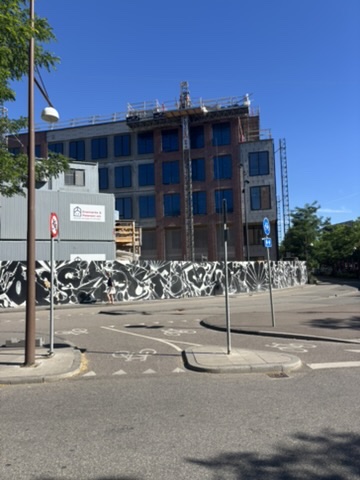
When touring the Red City, we looked out across the area from a rooftop terrace and could see the beginnings of a new infill project. The city recognized a future need for more housing and took action to increase the housing supply. This would be an example of more anticipatory planning in contrast to the reactionary development on Copenhagen’s waterfront. Ideally, planning is anticipatory, but these examples show that both options can have desirable outcomes.
The balance of adaptability and openness to change stood out to me strongly in Copenhagen. When a problem was identified, solutions were proposed, and change occurred. I still feel like I have barely scratched the surface in learning about the city, but this pattern highlighted such a stark contrast between Denmark’s initiative for change-making and America’s propensity to dig its heels in when change is proposed.


Leave a comment